ARTISTIC STATEMENT
In a world where the dominant aesthetic celebrates minimalism, restraint and the idea that “less is more” is the ultimate horizon of good taste, my work insists on another path: the belief that more is more.
I embrace saturated color, joyful accumulation, generous ornamentation. Not as naïve decoration, but as an act of resistance against a certain tyranny of the sober — a mindset that often mistakes austerity for sophistication.
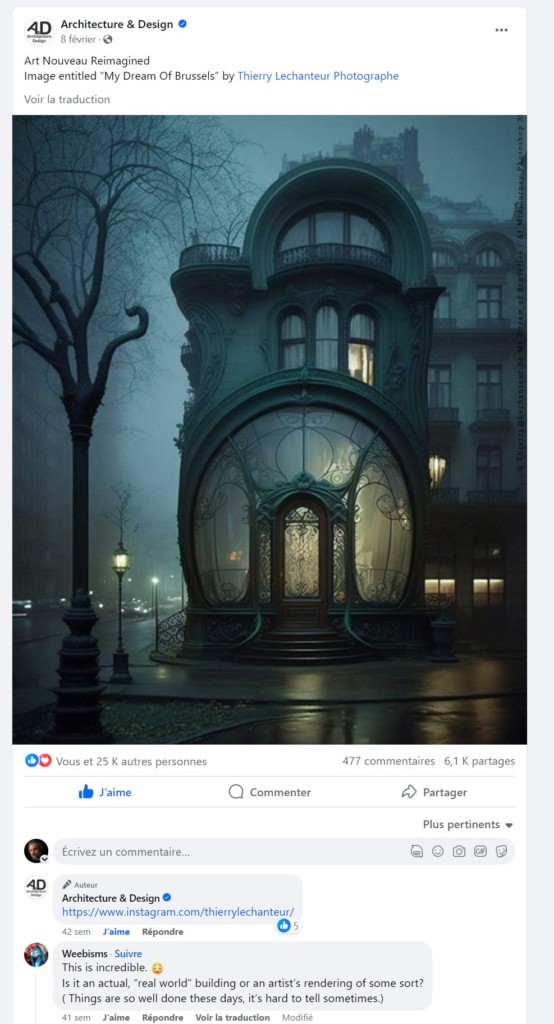
Artificial intelligence becomes a partner in this celebration. By exploring its latent space, that algorithmic unconscious nourished by images from all over the world, I generate hybrid architectures, impossible landscapes where cultural references mingle freely. Turquoise houses that could belong in Burano, Mexico or Chefchaouen. Staircases that evoke Lisbon as much as Guanajuato. Interiors where European Art Nouveau merges with Indian craftsmanship.
This visual syncretism is not confusion; it is an affirmation of aesthetic diversity. In these image-worlds, all cultures of the picturesque coexist, liberated from geography and from the hierarchies of Western taste. AI allows me to escape the borders: in the latent space, Marrakech meets Kyoto, Valparaíso speaks with Naples.
My work is addressed to those accused of being “too much”: too much color, too many ornaments, too much life on the walls. To those whose homes overflow, whose gardens burst open, whose clothes sing. To those who refuse grey as the compulsory horizon of maturity and seriousness.
Joyful maximalism is not frivolity, it is courage. In a world that urges us to be discreet, measured and “tasteful”, every bright color becomes a manifesto. Every overloaded image becomes a deep breath, a space of visual hospitality where everyone is welcome.
These images are not nostalgic refuges but proposals for joyful inhabitability. Concrete utopias where no one would be ashamed to paint their door fuchsia, where cherished objects accumulate, where life overflows without apology. They do not depict a world that once was, but a world that could be: more colorful, more generous, more alive.
If this work is kitsch, then let us embrace kitsch as a refusal of aesthetic elitism. If these images are “too much”, then let us celebrate the too much over the not enough. There is a generosity in maximalism that minimalism, in its pursuit of purity, sometimes forgets to offer.
Creating with AI means digging through the digital memory of the world, an infinite archive of forms, colors and collective desires. It is a practice I call an “archaeology of the latent”: unearthing fragments of possible worlds, landscapes of a future past, architectures that seem to have always existed somewhere in our shared imagination.
My images raise a simple question: Who decided that good taste must be defined by restraint? This question is anything but trivial; it touches on power structures, cultural hierarchies and the right of each person to inhabit the visual world in their own way.
To look at these images is to accept excess as both an aesthetic and political stance. It is to acknowledge that beauty does not need to be discreet to be legitimate. It is to celebrate the diversity of visual expression against the uniformization of taste.
More than a style, it is an invitation to reclaim our right to unapologetic excess and to the joy it contains.
BIOGRAPHY
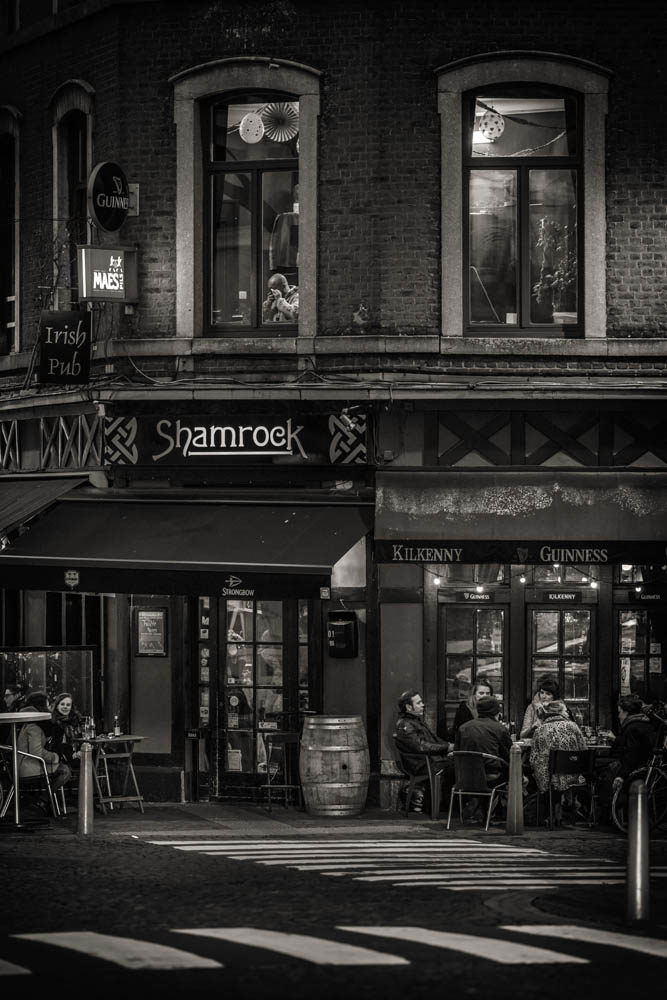
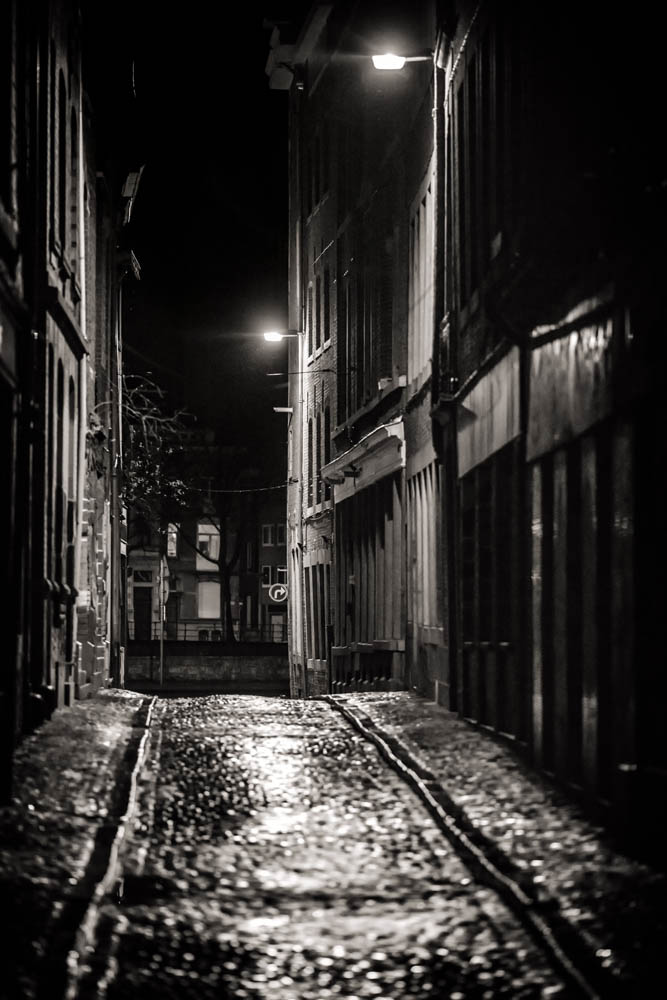
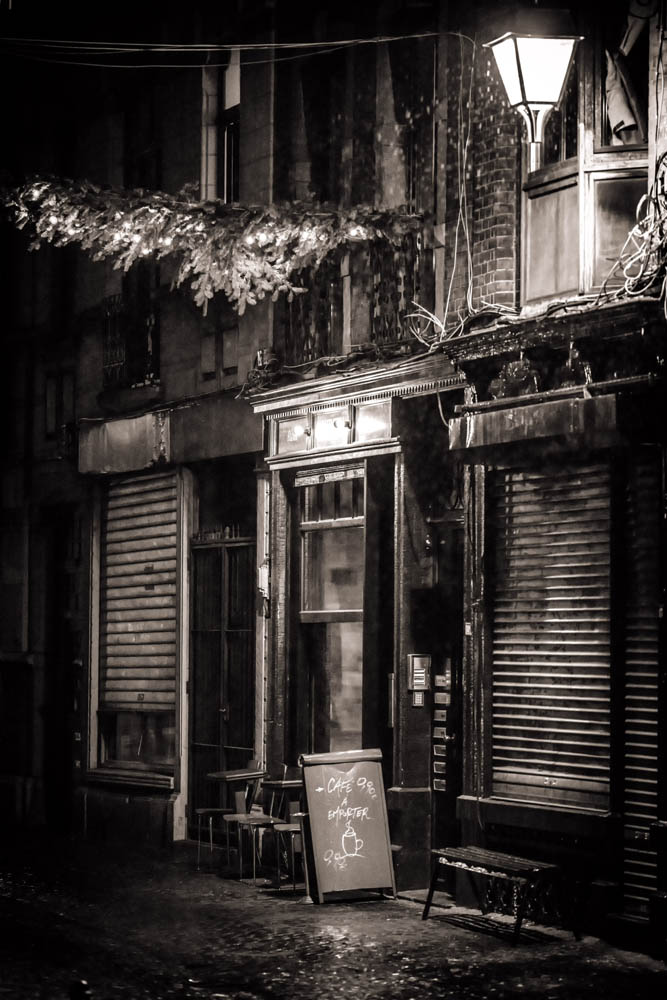
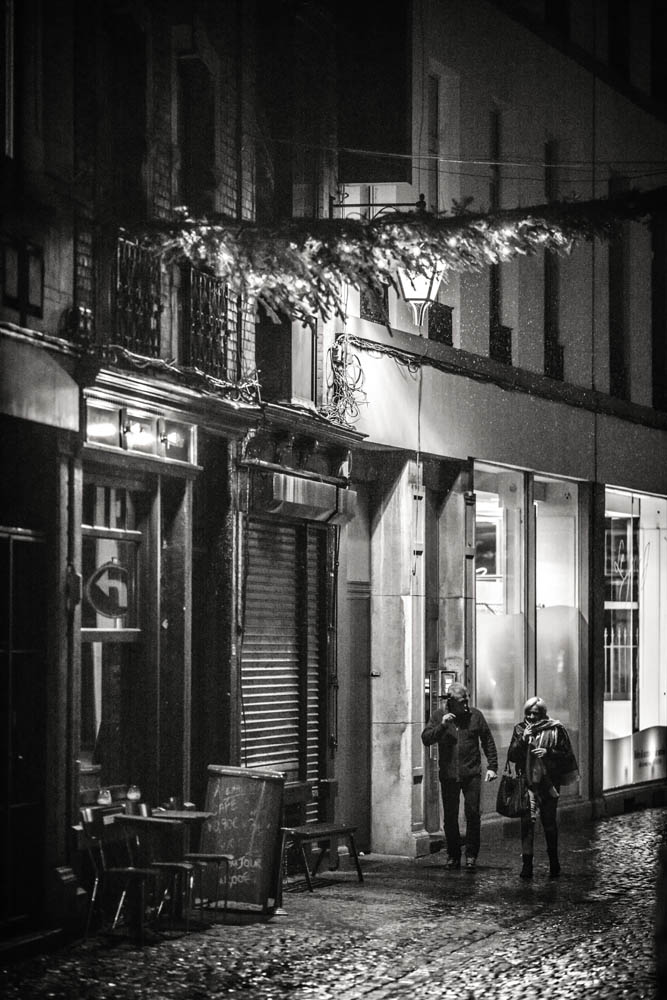
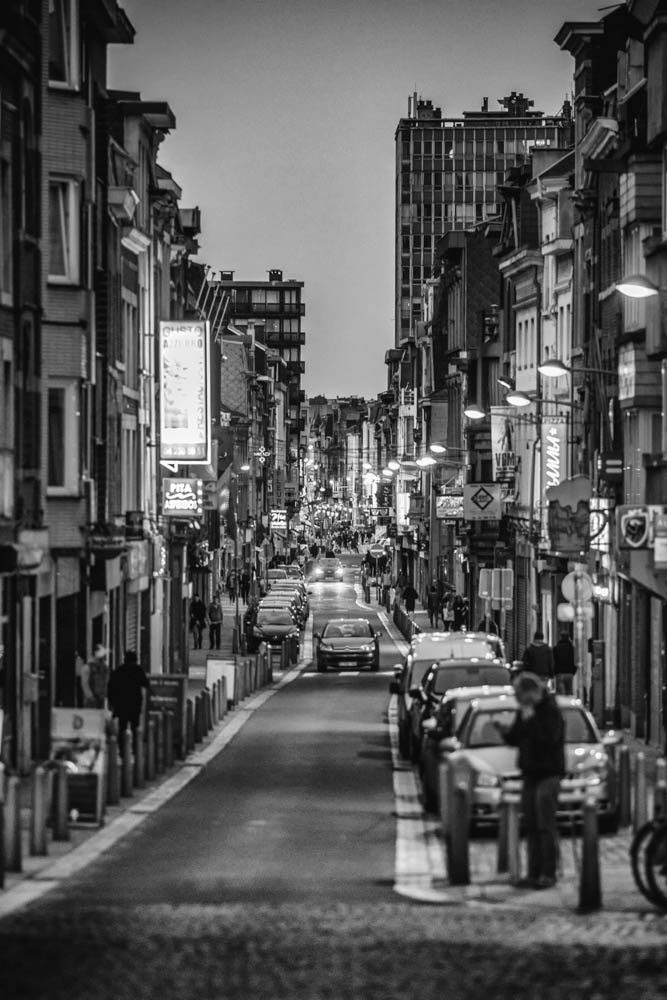
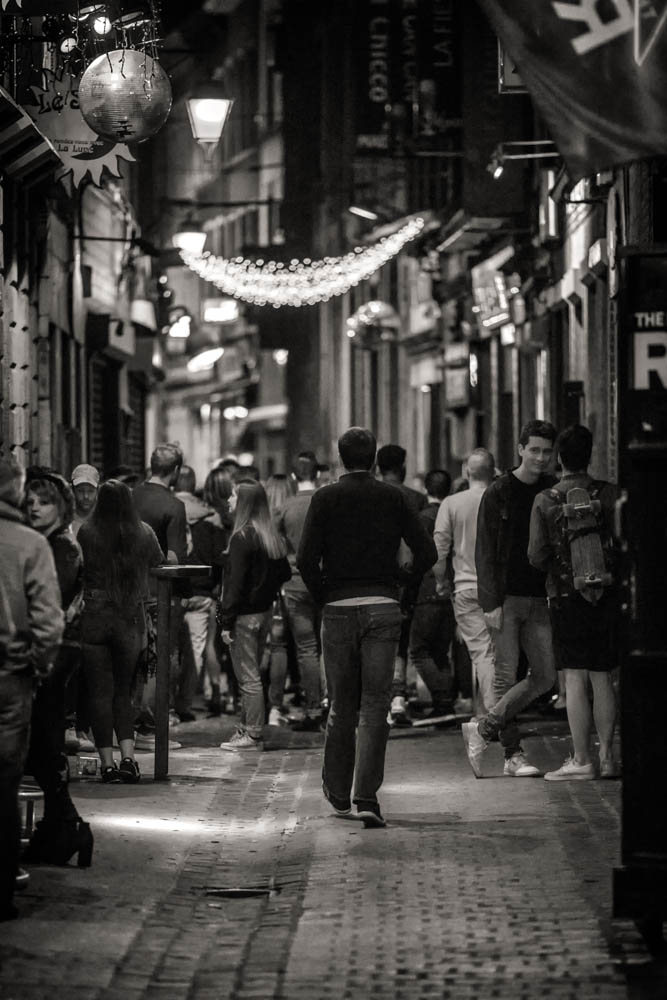
Born in Belgium in the late 1960s, I spent three decades composing with images—first as a graphic designer, then as a studio and architectural photographer. This classical training taught me technique, light, composition.
For over ten years, I’ve been communications manager at a social-professional integration nonprofit in Liège, a small city in a small country. These ten years have opened me to diverse realities: fractured trajectories, lives deemed « not conforming enough » to have their place.
This proximity to exclusion has profoundly shaped the way I see the world and create.
Since 2022, artificial intelligence has become a space of creative liberation for me. It allows me to visually construct what I defend by conviction: worlds where everyone would have their place, without having to make themselves small, without having to fit into boxes.
I now work at the intersection of photography, graphic design, and generative AI, exploring what I call joyful maximalism: an aesthetic of accumulation, of unapologetic color, of claimed diversity.
My images were not born in a void. They carry within them a question that my professional environment poses to me daily: who decides what is legitimate? Who has the right to exist fully without apologizing?
In my artistic work, I respond by creating visual spaces where no one would need discretion to be legitimate.
My work has found an unexpected audience on Instagram (@thierrylechanteur), where over 375,000 people follow my visual explorations. This community confirms what I observe in my professional environment: there exists an immense thirst for images that don’t ask to be small, that embrace their excess, their color, their difference.
My images are spaces completely freed from the codes of « professional propriety »—places where excess is no longer a flaw, where no one is « too much » of something.
Whether captured or generated, I invite you to consider these images as proposals for more hospitable worlds—where difference would be celebrated, not tolerated. Where no one would be ashamed to be fully visible.
Exclusion has taught me one thing: the norms of « good taste, » of the « professional, » of the « sober » are never neutral. They are always tools of social sorting.
My images are my way of saying: what if we tried something else?
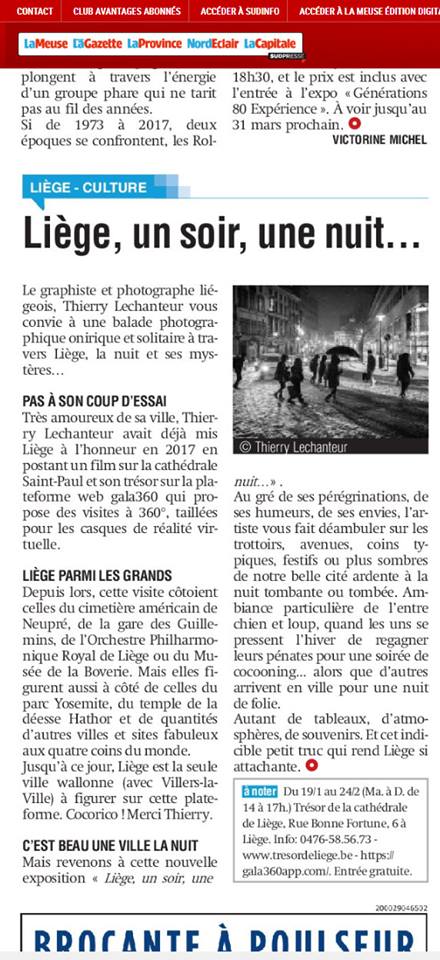
Revue de presse – Intelligence Artificielle
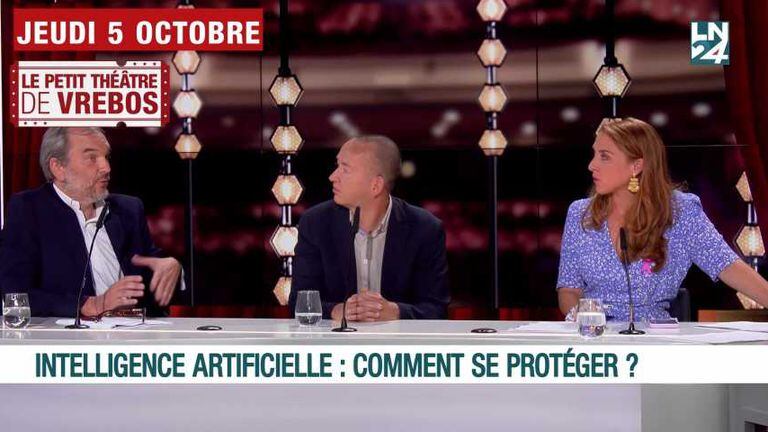
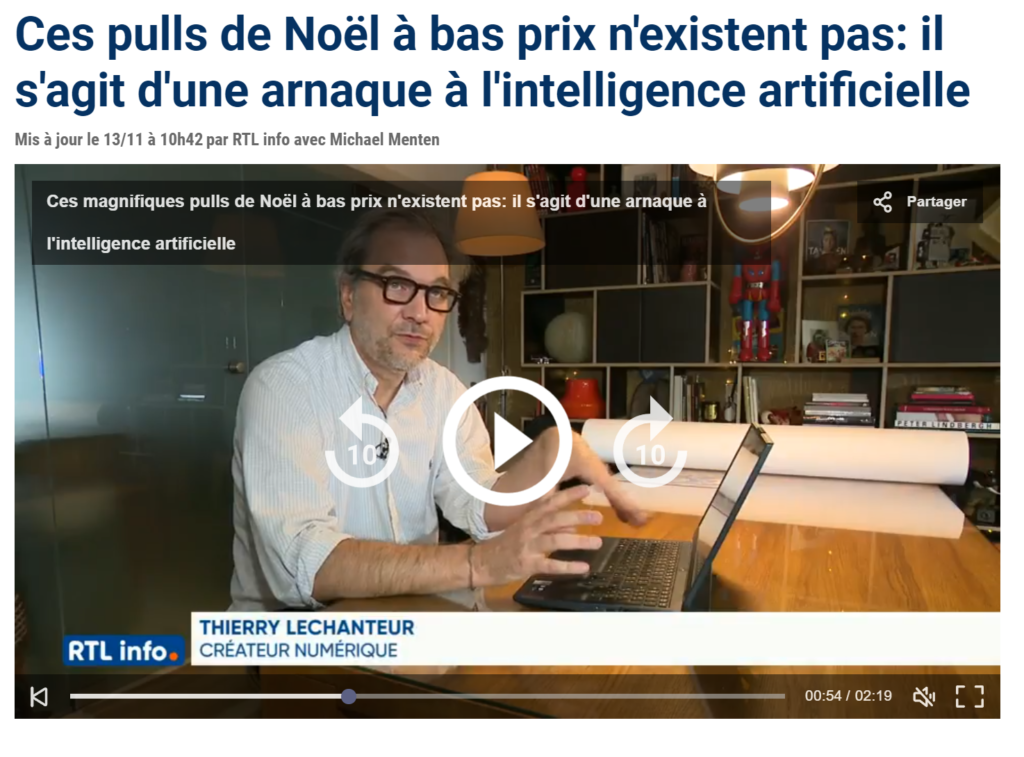
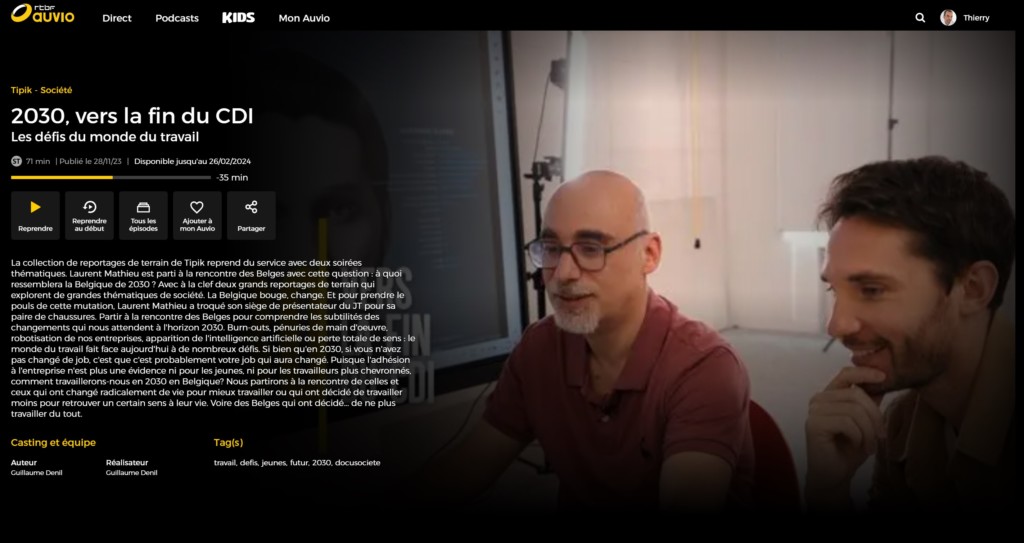
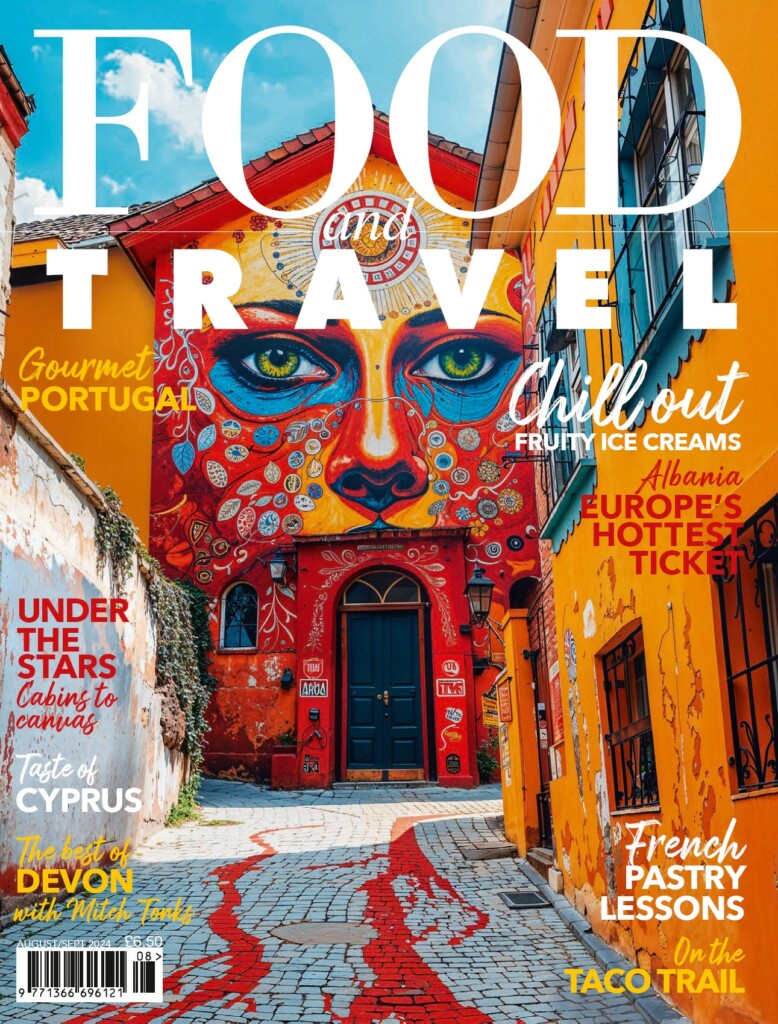
Cover et article de 3 pages dans le Food and Travel Magazine de Août 2024
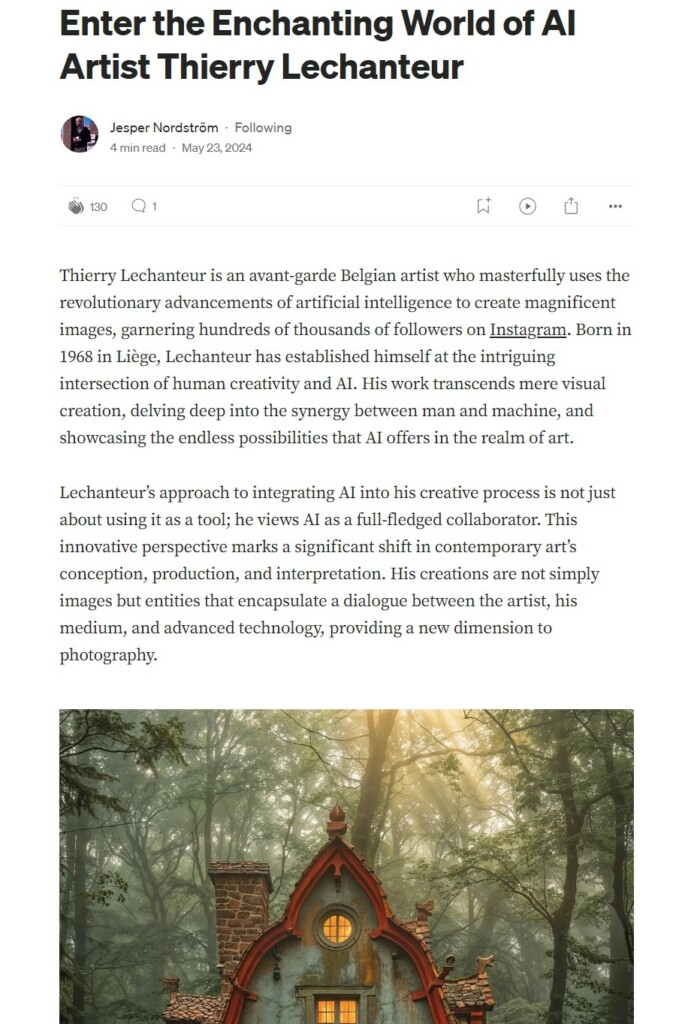
Artcile dans Medium Mag : https://medium.com/@jesper.nordstrom/enter-the-fabulous-world-of-thierry-lechanteur-508f5bf07cb9
Get Social